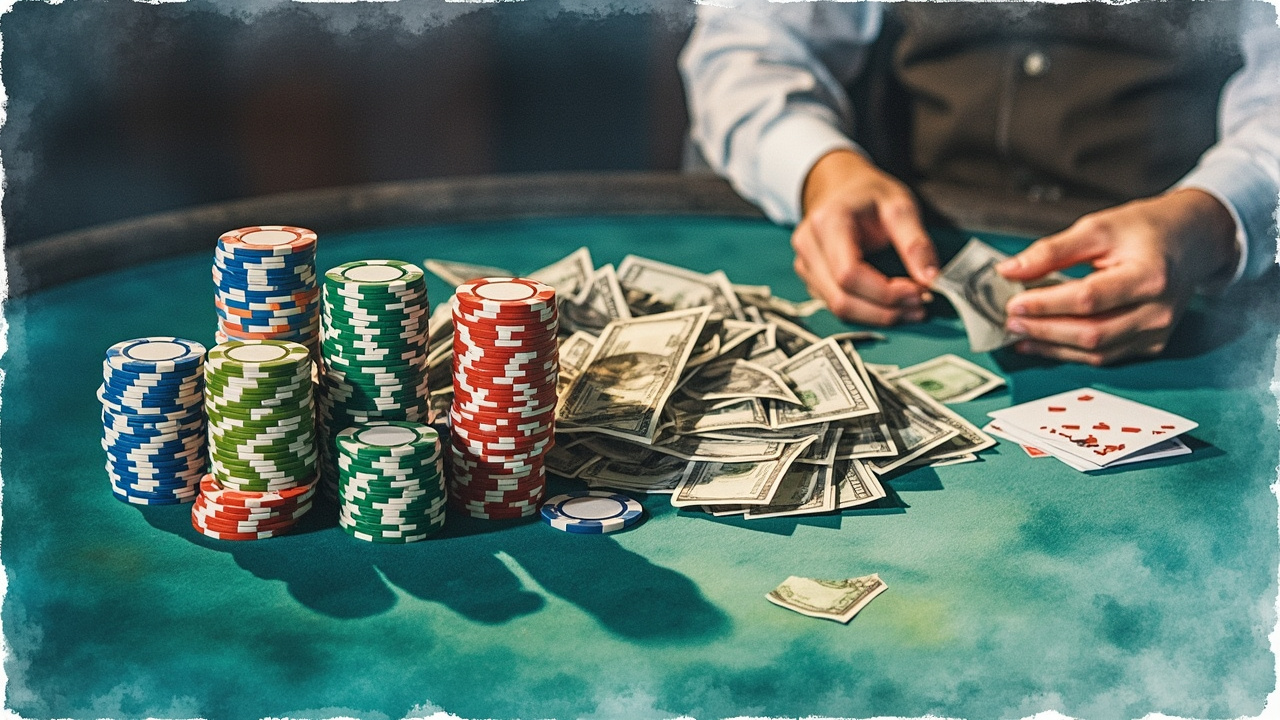
Hobart’s waterfront has long balanced working harbour with weekend leisure, and the city’s land based casino sits inside that rhythm rather than against it. Most venues chase bigger machines, brighter lights, and more screens per square metre. This one leans the other way. The floor is treated as the product: quiet corners for table play, open sightlines, signage that doesn’t shout, and AUD on every limit. It changes how the visit reads – even reviewers familiar with online formats like https://plinko-online-au.com/ will notice the difference.
First Impression: Visual Identity and Floor Flow
The entrance is set back from the main road behind a row of restored sandstone warehouses, which sets the visual tone before you reach the door. Inside, the palette pulls from the waterfront: deep blues, weathered greys, and warm timber that runs across the bar front and the table felt. There are no flashing LED walls or competing signage clusters. Lighting is layered – brighter over the table pits, softer through the machine banks – so you can read the floor from almost any angle without feeling pushed toward a section.
Navigation is handled through three small things: floor maps near each entry point, colour-coded host lanyards (red for table games, green for machines, blue for guest services), and a digital kiosk that lets you type in a game or limit and points to the nearest table. Members I spoke with said the kiosk was the most underrated touch on the floor, especially on busy Saturday nights.
Wayfinding feels designed for first-timers and regulars in equal measure. Even visitors flying down from Cairns used to busier tourist floors noted how easy it was to find the high-limit room without asking, simply because the corridor narrows gently and the lighting shifts. Compared to the high-visibility venues around Cairns, Hobart keeps its signage low-key and its entrance tucked behind those warehouses rather than advertising itself from the street. Limit boards are written in plain Australian English – “Roulette from $5”, “Blackjack from $10” – with no casino jargon to translate.
After years of reviewing digital lobbies and iGaming dashboards for work, this kind of physical UX is where I look first, and Hobart’s setup holds its own.
Localisation, Language and Everyday Usability
Australia doesn’t regulate offshore casino play, so any claim about licensed play inside the country needs to stay grounded in domestic venues. Land based casino hobart handles this quietly: the entire floor runs in AUD, all staff speak English as a first working language, and every printed limit is shown in dollars and cents rather than credits or points. For anyone who has toggled between currencies on offshore platforms, the lack of conversion maths is a genuine relief.
The venue leans on Tasmanian suppliers where it can. Cocktails use local spirits, the bar menu lists Tasmanian wines by region, and the loyalty programme tiers are named after Hobart landmarks – Battery Point, Salamanca, kunanyi/Mount Wellington. The dress code is calibrated for Hobart rather than imported from a generic template: smart casual, no thongs, no workwear.
Search and usability on-site is handled by the kiosk system mentioned earlier, plus a members-only app that shows machine availability in real time, current table limits, and your session timer if you’ve opted in. The app also ties into the loyalty programme, so your tier status and any comps show up the moment you sign in – no need to queue at the desk. After reviewing plenty of trading dashboards and sportsbook apps for work, I can say the app is genuinely stripped back – it does four or five things and does them well, rather than burying responsible gambling tools three menus deep.
| Area | What you’ll find |
|---|---|
| Gaming machines | ~120 machines across two floors, $0.01-$5 denominations |
| Table games | Blackjack, roulette, baccarat, three-card poker |
| Limits | Roulette from $5, blackjack from $10, baccarat from $20 |
| Payments | AUD cash, EFTPOS at cashier, members card top-up |
| Hours | 10:00 to 04:00, seven days |
| Loyalty | Four tiers, named after Hobart landmarks |
Where the Floor Stops and the Player Starts
The first two sections focused on what the venue built. This one focuses on what that build does to the visit, and where the alternative priorities show up most clearly.
Most casino floors I walk through, whether physically or through screenshots for work, push you toward more play – more machines, more buttons, more animation. Hobart does the opposite. Walkways are wide enough for two people to pass without brushing shoulders, the high-limit room sits behind frosted glass rather than on display, and there are quiet lounges off the main thoroughfare. It’s a deliberate choice.
The short list of things that genuinely stand out:
- Floor maps and colour-coded hosts in every section
- AUD on every limit, no credits or points
- Loyalty tiers named after Hobart landmarks
- Members app with session timer built in
- Responsible gambling signage woven into the wall design
None of these are flashy on their own. Together they make the venue feel like it was built for the people inside rather than for foot traffic.
For anyone used to the noise of bigger venues, the adjustment takes about half an hour. After that, the floor settles into something closer to a long arvo at the pub than a casino night. Staff don’t hover, but they do check in. Responsible gambling design matches the floor: limits are visible, the session timer is opt-in, and staff are trained to talk about play without judgement. Compared to offshore platforms I’ve reviewed where these tools hide behind three menus, the on-site experience treats them as part of the product. If you’re curious about a digital counterpart with similar discipline, this five-reel slot write-up walks through the same kind of thoughtful play.
Land based casino hobart doesn’t try to out-glitz the bigger Australian venues, and that’s exactly why the floor works. AUD on every limit, signage that respects the player, a layout that trusts you to find your own way around – it’s a brief more venues should write for themselves. Have you walked the floor yet, and what was the first detail that caught your eye? Drop it in the comments, or send it to a mate planning a Hobart trip.